Belt guidance through a fixed multi-roll profile
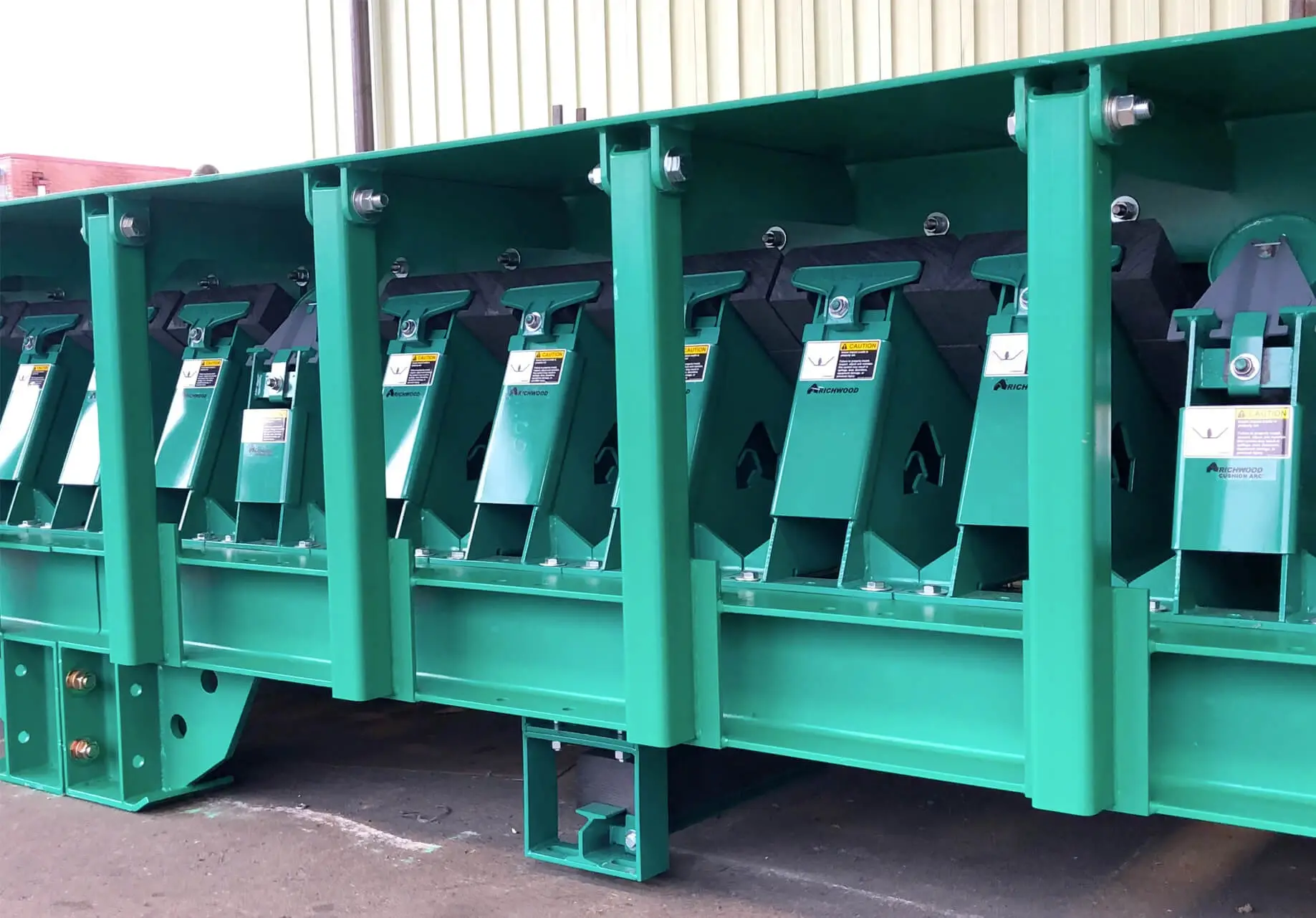
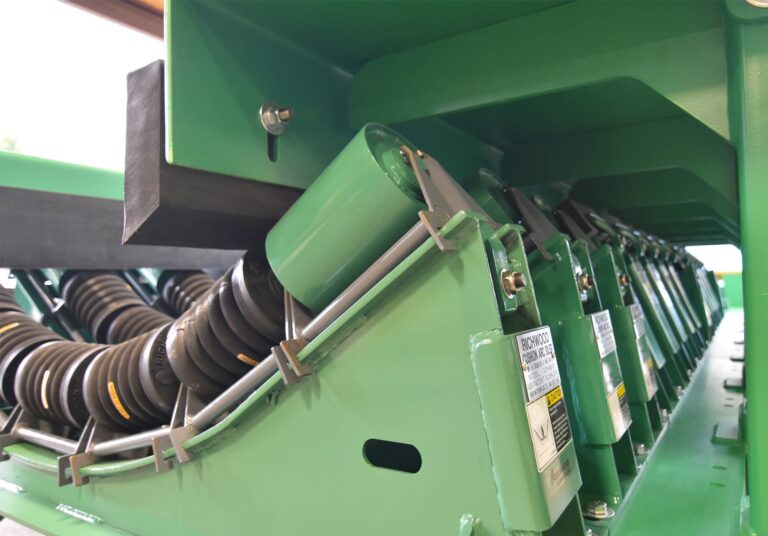
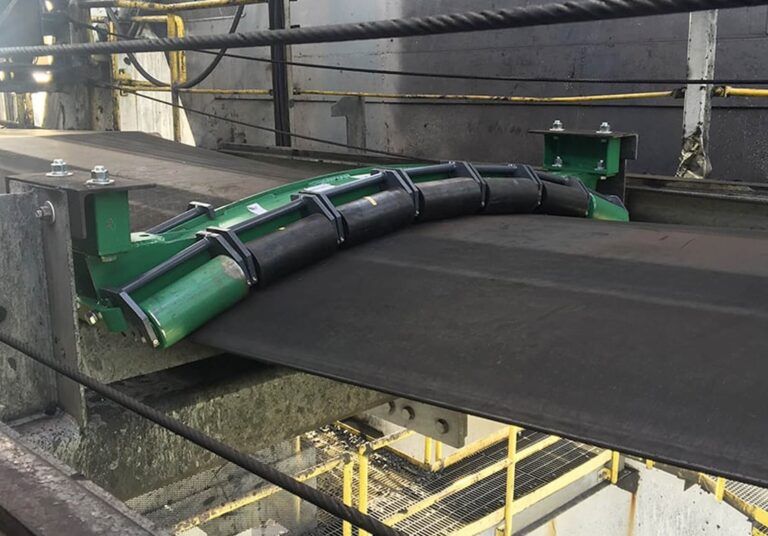
The Richwood ON-Track® Belt Tracking Idler uses a multi-roll, smooth-radius design to support the belt across its width and guide its path. Its fixed geometry provides tracking without the pivot arms or swivel bearings used by conventional training idlers.
ON-Track addresses conveyor belt alignment and the associated concerns of edge damage, spillage and uneven component wear. Units are matched to standard belt widths and the conveyor trough angle. The conveyor profile and the locations where mistracking originates inform product selection and placement.
Conveyor belt alignment applications
- Mistracking belts
- Edge-wear concerns
- Conveyor performance upgrades
Product specifications
- Product
- Richwood ON-Track® Belt Tracking Idler
- Profile
- Fixed multi-roll, smooth-radius design
- Tracking mechanism
- No pivot arms or swivel bearings
- Sizing
- Matched to standard belt widths and trough angle
Confirm the current configuration and technical data with MSI before ordering.
Details for an ON-Track enquiry
- Belt width, speed and direction
- Where and when mistracking occurs
- Conveyor layout and existing tracking devices
Conveyor belt tracking: common questions
How does ON-Track differ from a pivoting training idler?
ON-Track guides the belt through a fixed multi-roll, smooth-radius profile. It does not use pivot arms or swivel bearings, so belt guidance comes from the idler geometry rather than a pivoting assembly.
What belt widths can ON-Track suit?
ON-Track units are matched to standard conveyor belt widths. Provide the belt width and trough angle so the appropriate unit can be specified for the conveyor.
What information determines tracking idler placement?
Placement recommendations depend on the conveyor profile and the point where mistracking originates. ON-Track applications include the carry and return sides of the conveyor, with locations assessed for the specific arrangement.